Our standard of horse care
The part of a ranch nobody photographs, and the only part that actually matters every single day.
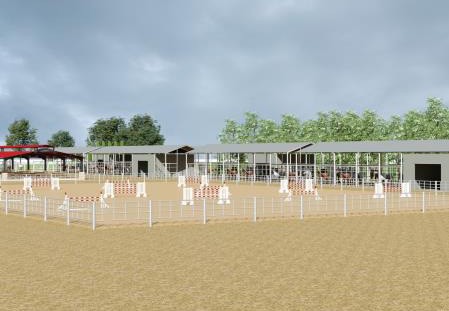
Horse care is a routine, not an event. Feeding at consistent hours, clean water at all times, stalls cleaned twice a day, shade and fly control in summer, dry footing in winter, and eyes on every animal at least twice a day.
A caretaker lives on site. That means colic, an injury overnight, a downed fence, or a loose horse is found in minutes rather than in the morning. That is the single most important welfare and liability difference between a supervised ranch and an unsupervised one.
Owners keep their own veterinarian and farrier; the ranch coordinates access, holds horses for appointments, records treatment, and communicates changes the same day.
Daily and ongoing practice
- Scheduled feeding with individual diets and supplements
- Fresh water checked and refilled throughout the day
- Stalls cleaned twice a day, seven days a week, with bedding management
- Rotating turn-out so every horse moves freely each day
- Fly-spray systems and seasonal pest control
- Farrier and veterinary scheduling and holding
- Quarantine protocol for new arrivals and illness
- Written incident and treatment records for every horse
- 24-hour on-site caretaker for emergencies and security
- Regular fence, gate, and footing inspection
“You can judge a barn in five minutes: the water buckets, the footing, and whether the horses look up when you walk in.”Ranch management principle